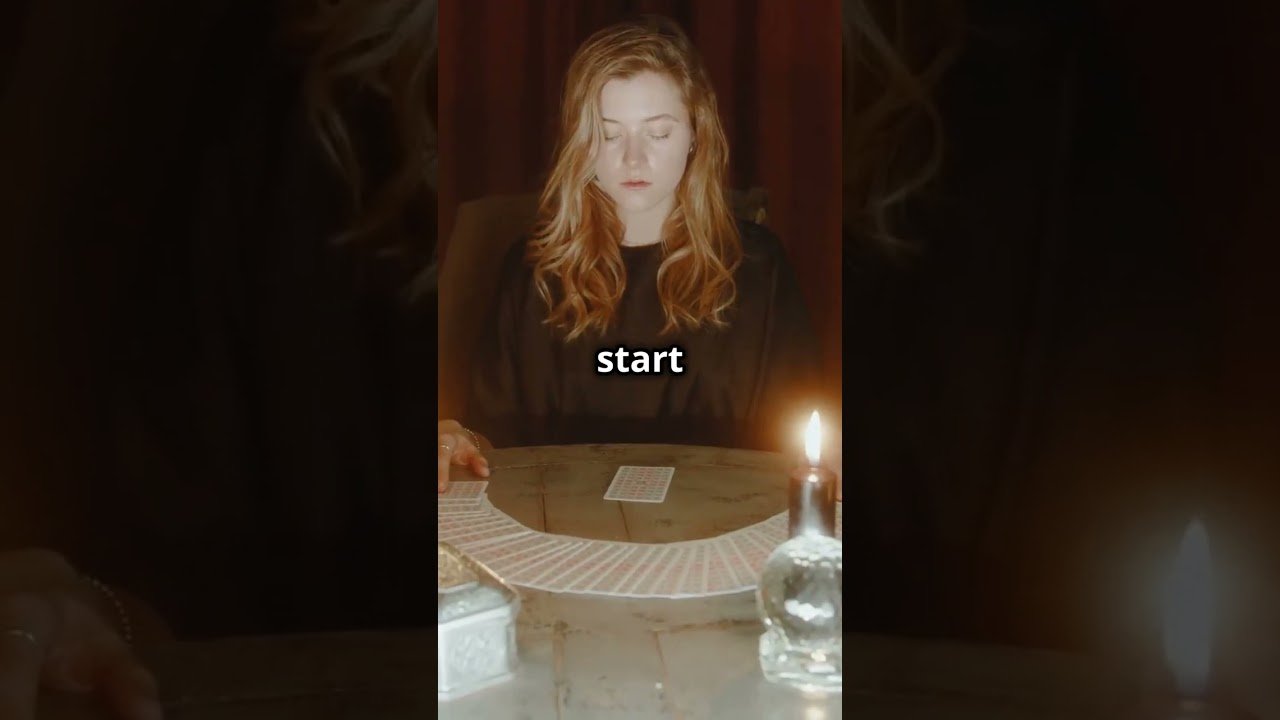
Let’s delve into the fascinating world of tarot cards, perfect for beginners who are curious about divination and self-reflection.
1. What Is Tarot?
Tarot is a centuries-old system of divination that uses a deck of 78 cards. Each card has its own symbolism, imagery, and meaning. The deck is divided into two main parts: the Major Arcana (22 cards) and the Minor Arcana (56 cards). The Major Arcana represents significant life events and archetypal energies, while the Minor Arcana focuses on everyday situations and emotions.
2. The Major Arcana: Archetypal Journeys
The Major Arcana cards tell a story of the Fool’s journey—a metaphorical exploration of life experiences. Starting with the Fool (card 0), who represents innocence and new beginnings, the journey unfolds through cards like the High Priestess (intuition), the Emperor (authority), and the World (completion). Beginners often find these cards intriguing due to their powerful symbolism.
3. The Minor Arcana: Everyday Insights
The Minor Arcana consists of four suits: Cups (emotions), Swords (thoughts), Wands (action), and Pentacles (material aspects). Each suit has 14 cards—10 numbered cards (Ace to 10) and 4 court cards (Page, Knight, Queen, King). These cards reflect daily experiences, relationships, and challenges. For example, the Ace of Cups signifies emotional beginnings, while the Ten of Pentacles represents family and stability.
4. Reading Tarot Cards
To read tarot cards, shuffle the deck while focusing on your question or intention. Draw cards and interpret their meanings based on intuition, symbolism, and context. Beginners can start with simple spreads like the three-card spread (past, present, future) or the Celtic Cross spread (a comprehensive layout). Remember that there’s no one “right” interpretation—trust your inner wisdom.
5. Intuition and Connection
Tarot isn’t about predicting the future; it’s about gaining insights, self-awareness, and guidance. As a beginner, connect with your intuition. Observe the imagery, colors, and emotions evoked by each card. Pay attention to your gut feelings. Over time, you’ll develop a personal relationship with your deck, enhancing your readings.
6. Ethical Considerations
Finally, approach tarot with respect and responsibility. Be mindful of the energy you bring to your readings. Avoid asking overly invasive questions or relying solely on tarot for major life decisions. Use it as a tool for reflection, growth, and inspiration. And most importantly, enjoy the journey of discovery!
Remember, tarot is an art, not a science. Explore, learn, and embrace the magic of the cards! 🌟🔮✨


